7 Benefits Of Special Education For Children
𝗧𝗮𝗯𝗹𝗲 𝗼𝗳 𝗖𝗼𝗻𝘁𝗲𝗻𝘁𝘀
– Introduction
– What Is Special Education For Children
– 7 Benefits Of Special Education For Children
– Who Can Benefit From Special Education
– Why Parents Choose Special Education Programs
– Conclusion
– FAQs
7 Benefits Of Special Education For Children
𝗜𝗻𝘁𝗿𝗼𝗱𝘂𝗰𝘁𝗶𝗼𝗻
Special education for children provides individualized learning support for children who experience developmental, learning, communication, behavioral, or intellectual challenges. Every child learns differently, and specialized educational programs help children achieve their full potential through personalized teaching methods and structured support.
Many children require additional assistance to improve academic performance, communication abilities, social interaction, and daily living skills. Early educational intervention and individualized learning strategies can significantly improve a child’s confidence and overall development.
Jackulin Child Development & Care Centre provides special education for children through child-focused programs designed to improve learning outcomes, communication skills, and independence.
special education for children
𝗪𝗵𝗮𝘁 𝗜𝘀 𝗦𝗽𝗲𝗰𝗶𝗮𝗹 𝗘𝗱𝘂𝗰𝗮𝘁𝗶𝗼𝗻 𝗙𝗼𝗿 𝗖𝗵𝗶𝗹𝗱𝗿𝗲𝗻
Special education for children involves individualized teaching approaches that address specific learning and developmental needs. Educational plans are designed according to each child’s strengths, challenges, and developmental goals.
Important areas of support include:
– Academic skill development
– Communication improvement
– Social skill training
– Behavioral support
– Daily living skills
Special education programs help children learn effectively while building confidence and independence.
𝗦𝗲𝘃𝗲𝗻 𝗕𝗲𝗻𝗲𝗳𝗶𝘁𝘀 𝗢𝗳 𝗦𝗽𝗲𝗰𝗶𝗮𝗹 𝗘𝗱𝘂𝗰𝗮𝘁𝗶𝗼𝗻 𝗙𝗼𝗿 𝗖𝗵𝗶𝗹𝗱𝗿𝗲𝗻
1. Improves Learning Abilities
Children receive personalized instruction that matches their learning style and developmental needs.
2. Enhances Communication Skills
Special education programs help children improve verbal and non-verbal communication abilities.
3. Supports Social Development
Children learn important social interaction and relationship-building skills.
4. Encourages Positive Behavior
Structured educational support helps children develop appropriate behavioral responses.
5. Builds Confidence
Achieving learning goals improves self-esteem and confidence.
6. Promotes Independence
Children develop self-help skills and greater independence in daily activities.
7. Improves Academic Performance
Individualized teaching methods help children make meaningful educational progress.
𝗪𝗵𝗼 𝗖𝗮𝗻 𝗕𝗲𝗻𝗲𝗳𝗶𝘁 𝗙𝗿𝗼𝗺 𝗦𝗽𝗲𝗰𝗶𝗮𝗹 𝗘𝗱𝘂𝗰𝗮𝘁𝗶𝗼𝗻
Children may benefit from special education support if they experience:
– Learning difficulties
– Speech and language delays
– Developmental delays
– Autism spectrum challenges
– Behavioral concerns
– Attention and focus difficulties
Professional assessment helps determine the most appropriate educational support for each child.
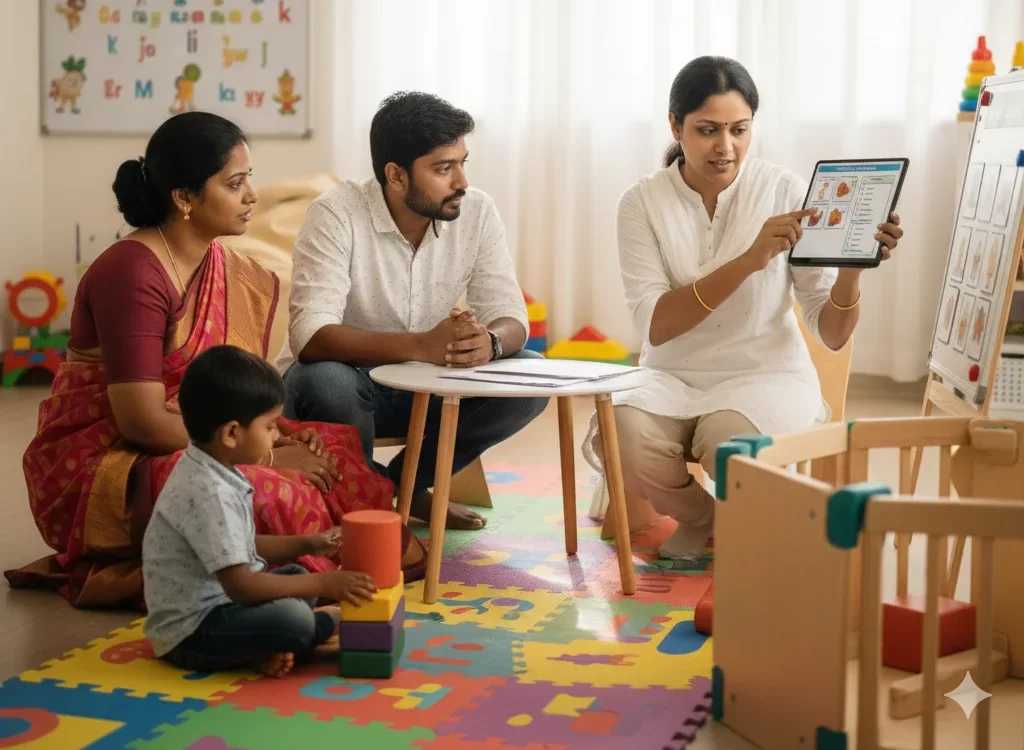
developmental education support
𝗪𝗵𝘆 𝗣𝗮𝗿𝗲𝗻𝘁𝘀 𝗖𝗵𝗼𝗼𝘀𝗲 𝗦𝗽𝗲𝗰𝗶𝗮𝗹 𝗘𝗱𝘂𝗰𝗮𝘁𝗶𝗼𝗻 𝗣𝗿𝗼𝗴𝗿𝗮𝗺𝘀
Parents choose special education programs because individualized support helps children overcome learning challenges and achieve developmental goals.
Important reasons include:
– Personalized education plans
– Qualified special educators
– Child-centered learning methods
– Regular progress monitoring
– Family involvement
These programs help children build skills needed for academic and personal success.
𝗖𝗼𝗻𝗰𝗹𝘂𝘀𝗶𝗼𝗻
Special education for children provides valuable support that helps children improve learning abilities, communication skills, social interaction, and independence. Early educational intervention and individualized teaching strategies can create meaningful improvements in a child’s development and future success.
With professional guidance, structured learning programs, and family involvement, children can develop essential skills and achieve their full potential.
FAQs
1. What is special education for children?
Special education provides individualized learning support for children with developmental, learning, communication, or behavioral challenges.
2. Who can benefit from special education programs?
Children with learning difficulties, developmental delays, autism, speech delays, or behavioral concerns may benefit from special education.
3. How does special education improve learning?
Special education uses personalized teaching strategies designed to match a child's individual learning needs.
4. Can special education improve communication skills?
Yes, special education programs often include communication development activities that improve language and interaction skills.
5. Why is early educational support important?
Early support helps children develop essential academic, social, and communication skills during important developmental years.
6. Do parents participate in special education programs?
Yes, family involvement helps reinforce learning goals and supports developmental progress.
7. How do special educators help children?
Special educators create individualized learning plans and provide structured support to help children achieve developmental and educational goals.
𝗦𝗘𝗢 𝗧𝗶𝘁𝗹𝗲