7 Benefits Of Occupational Therapy For Children
𝗧𝗮𝗯𝗹𝗲 𝗼𝗳 𝗖𝗼𝗻𝘁𝗲𝗻𝘁𝘀
Introduction
What Is Occupational Therapy For Children
7 Benefits Of Occupational Therapy For Children
Signs A Child May Need Occupational Therapy
How Professional Therapy Helps
Conclusion
FAQs
7 Benefits Of Occupational Therapy For Children
𝗜𝗻𝘁𝗿𝗼𝗱𝘂𝗰𝘁𝗶𝗼𝗻
Occupational therapy for children helps improve the skills needed for everyday activities, learning, and independence. Some children may experience challenges with motor skills, sensory processing, hand-eye coordination, attention, or self-care tasks. These challenges can affect their ability to participate confidently at home, school, and social environments.
Early intervention can help children strengthen essential developmental skills and improve their overall quality of life. Occupational therapists use structured activities and personalized strategies to support children’s growth and independence.
Jackulin Child Development & Care Centre provides occupational therapy for children through individualized programs designed to improve developmental outcomes and daily living abilities.
occupational therapy for children
𝗪𝗵𝗮𝘁 𝗜𝘀 𝗢𝗰𝗰𝘂𝗽𝗮𝘁𝗶𝗼𝗻𝗮𝗹 𝗧𝗵𝗲𝗿𝗮𝗽𝘆 𝗙𝗼𝗿 𝗖𝗵𝗶𝗹𝗱𝗿𝗲𝗻
Occupational therapy for children focuses on helping children develop the physical, sensory, cognitive, and social skills needed for daily life. Therapy programs are customized according to each child’s unique strengths and developmental needs.
Important areas of support include:
–
Fine motor skill development
–
Gross motor coordination
–
Sensory processing skills
–
Hand-eye coordination
–
Daily living activities
Professional occupational therapy helps children become more confident and independent in everyday tasks.
sensory integration therapy
𝗦𝗲𝘃𝗲𝗻 𝗕𝗲𝗻𝗲𝗳𝗶𝘁𝘀 𝗢𝗳 𝗢𝗰𝗰𝘂𝗽𝗮𝘁𝗶𝗼𝗻𝗮𝗹 𝗧𝗵𝗲𝗿𝗮𝗽𝘆 𝗙𝗼𝗿 𝗖𝗵𝗶𝗹𝗱𝗿𝗲𝗻
1. Improves Fine Motor Skills
Children develop better control of hand and finger movements needed for writing, drawing, and daily activities.
2. Enhances Sensory Processing
Therapy helps children respond appropriately to sensory information from their environment.
3. Develops Hand-Eye Coordination
Children improve coordination needed for learning, sports, and play activities.
4. Supports Daily Living Skills
Therapy helps children become more independent with dressing, eating, and personal care.
5. Improves Attention And Focus
Structured activities help children maintain concentration and complete tasks effectively.
6. Builds Social Confidence
Children gain confidence by participating successfully in school and social situations.
7. Encourages Independence
Therapy supports long-term independence and successful participation in daily life.
𝗦𝗶𝗴𝗻𝘀 𝗔 𝗖𝗵𝗶𝗹𝗱 𝗠𝗮𝘆 𝗡𝗲𝗲𝗱 𝗢𝗰𝗰𝘂𝗽𝗮𝘁𝗶𝗼𝗻𝗮𝗹 𝗧𝗵𝗲𝗿𝗮𝗽𝘆
Parents may consider professional support if a child experiences:
Difficulty holding pencils or crayons
Poor hand-eye coordination
Sensory sensitivities
Challenges with dressing or feeding
Balance and coordination difficulties
Attention and focus concerns
Early identification allows children to receive the right support and intervention.
𝗛𝗼𝘄 𝗣𝗿𝗼𝗳𝗲𝘀𝘀𝗶𝗼𝗻𝗮𝗹 𝗧𝗵𝗲𝗿𝗮𝗽𝘆 𝗛𝗲𝗹𝗽𝘀
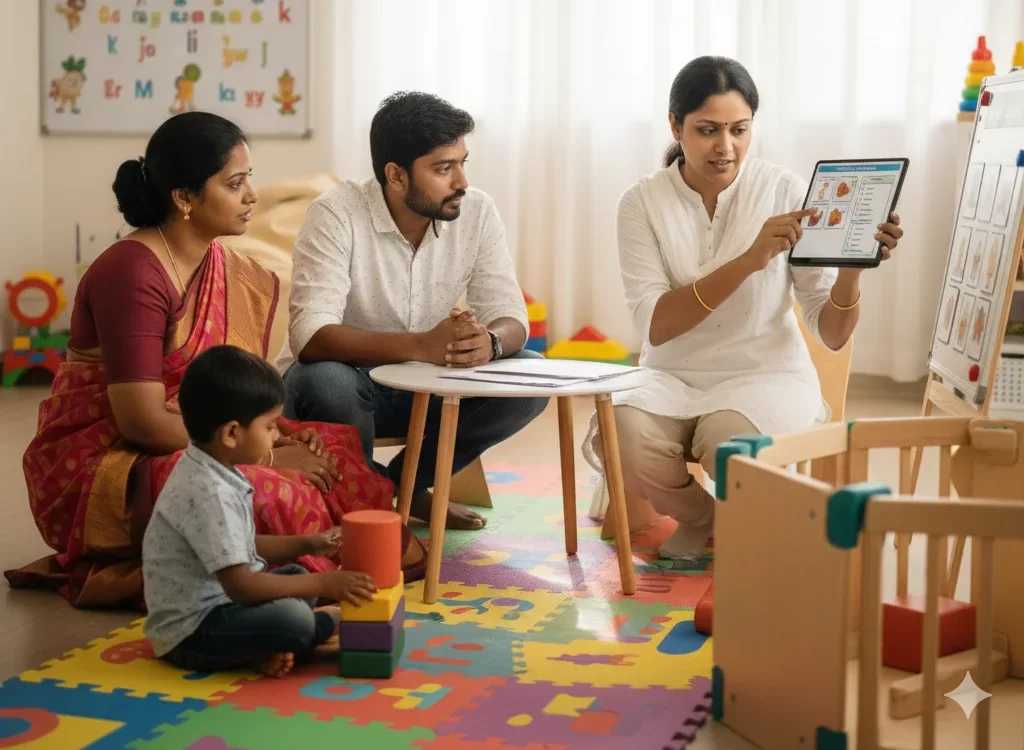
Professional occupational therapists assess each child’s developmental needs and create personalized intervention plans. Structured therapy sessions help improve motor skills, sensory regulation, coordination, and independence.
Important therapy approaches include:
Individualized therapy plans
Sensory integration activities
Motor skill training
Self-care skill development
Parent guidance programs
Consistent therapy and family participation often contribute to positive developmental progress.
𝗖𝗼𝗻𝗰𝗹𝘂𝘀𝗶𝗼𝗻
Occupational therapy for children provides valuable support that helps improve motor skills, sensory processing, coordination, attention, and independence. Early intervention and professional guidance can significantly improve a child’s ability to participate confidently in daily life.
With personalized therapy programs and family involvement, children can develop important life skills and achieve their full potential.
FAQs
1. What is occupational therapy for children?
Occupational therapy helps children improve motor skills, sensory processing, coordination, and daily living abilities.
2. Who needs occupational therapy?
Children with developmental, sensory, motor, or daily living challenges may benefit from occupational therapy.
3. Can occupational therapy improve handwriting skills?
Yes, therapy helps strengthen fine motor skills and hand control needed for writing.
4. What is sensory integration therapy?
Sensory integration therapy helps children process and respond appropriately to sensory information.
5. How long does occupational therapy take?
The duration depends on the child's needs, goals, and developmental progress.
6. Do parents participate in therapy sessions?
Yes, parent involvement helps reinforce therapy goals and progress at home.
7. Why is early intervention important?
Early intervention helps children develop essential skills during critical stages of growth and development.